Crossing the Threshold: Navigating Transition through the Liminal
The word liminality means "threshold" and refers to a transitional phase—a space between what was and what is to come. The concept was first introduced by folklorist Arnold van Gennep in Les rites de passage (1909)—rituals marking a shift from one stage of life to another.
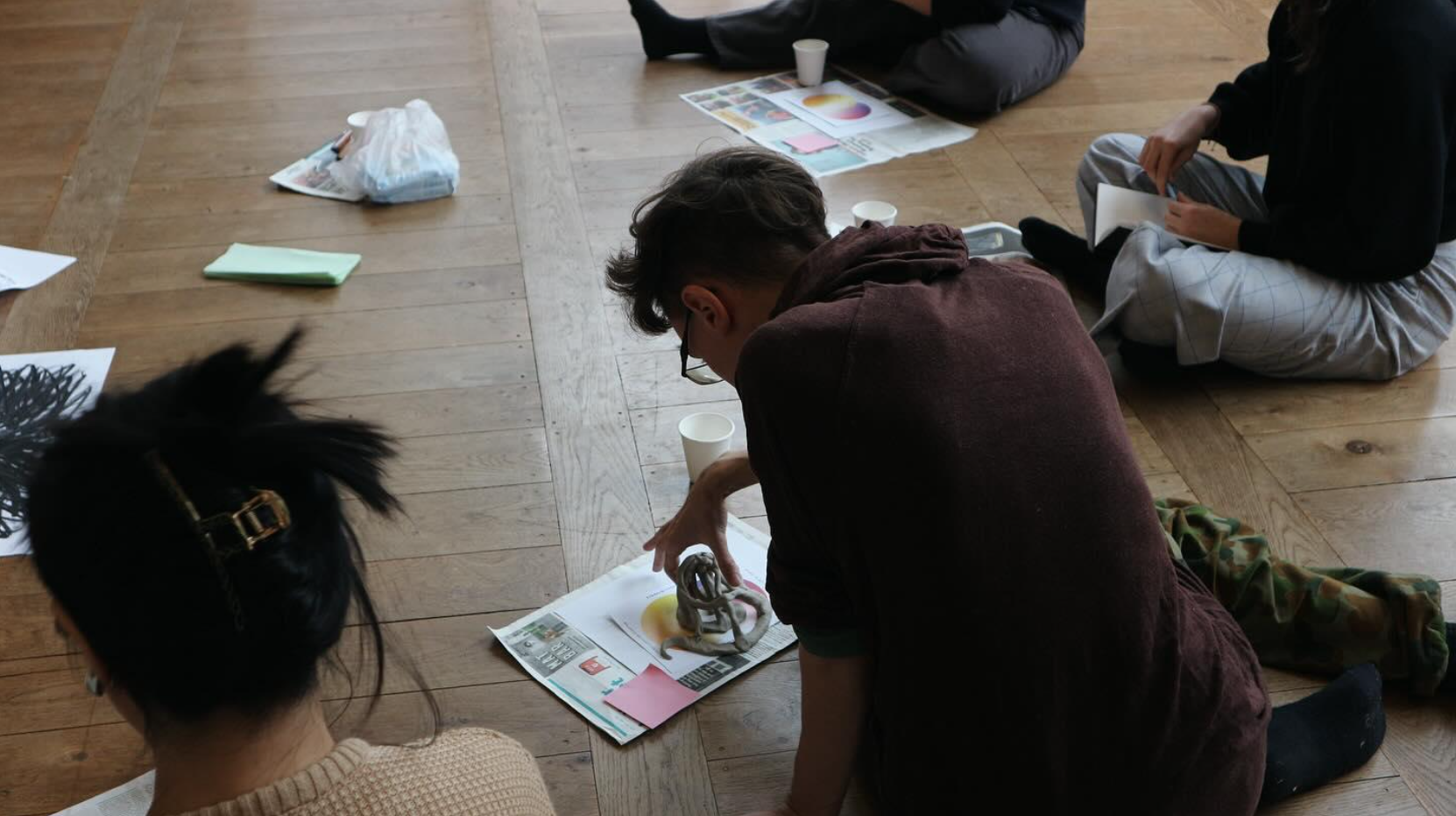
In expressive arts, we approach this as a “liminal space” for restoration and growth, emphasizing the potential for reconnecting, reorienting, and cultivating resilience rather than assuming a complete resolution of an individual’s challenges. This perspective recognizes that transformation is an ongoing, non-linear process rather than a fixed outcome.
During a session, participants enter this in-between space through art-making, ritual, and play—immersing themselves in the unknown, where chaos, mystery, and possibility coexist. The liminal space invites deep exploration of the psyche, supporting individuals to find beauty in uncertainty and uncover the rich resources and potential within.
Dwelling in the unknown can facilitate the process of change. Participants enter the liminal space and come out with fresh perspectives and a new state of being—one that may shift how they see and engage with reality, enhancing a greater sense of agency in navigating transitions and adapting to new circumstances. In expressive arts, this process unfolds within a thoughtfully crafted frame (architecture of the session), held with care and compassion.
